Bookkeeping services
Reliable bookkeeping keeps your business calm and compliant. We keep your records accurate, up to date and easy to understand so you always know where you stand.
Whether you are a small business owner who wants help staying organised or you need your books brought back on track, we provide practical support using cloud accounting tools and clear processes.

Sally Ho (CA)
Explore our accounting and bookkeeping services

Small business bookkeeping
We keep your day to day transactions organised and correctly recorded. This gives you clean books, better visibility and fewer surprises when reporting is due.

Xero training
We provide practical Xero training for business owners who want to manage their own bookkeeping with confidence. This includes setting up your chart of accounts, payroll basics, bank transaction coding and understanding key reports.
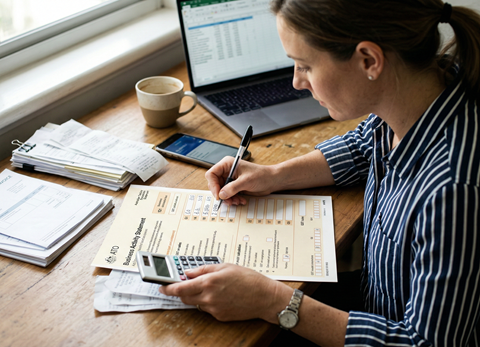
Business Activity Statements (BAS)
For businesses that manage their own bookkeeping, we prepare and lodge your BAS to ensure GST, PAYG withholding and other obligations are reported accurately and on time. We review your figures before lodgement to help identify errors and give you confidence that your compliance is up to date.
Accounts setup
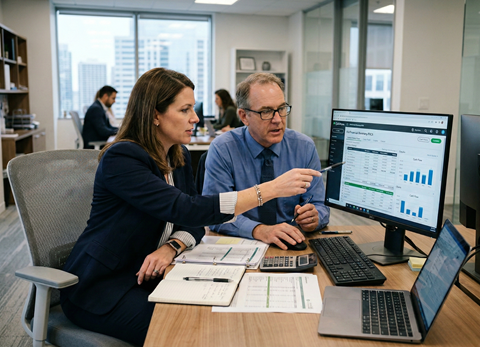
We design and structure your chart of accounts to produce clear, meaningful financial reports. A well-set-up system helps you track income, costs and profitability properly, so you can understand performance, manage cash flow and make informed business decisions.
Management reports
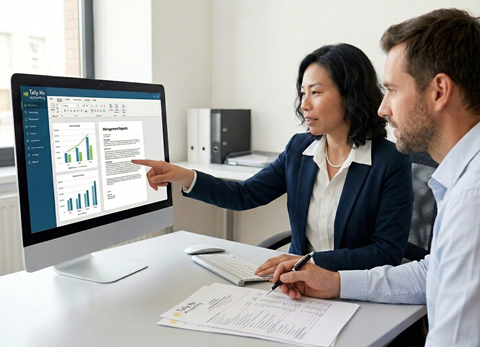
We prepare clear, practical management reports that go beyond year-end compliance. These reports highlight profit margins, cash flow, trends and key performance indicators, helping you understand how your business is tracking and supporting better day-to-day and strategic decisions.
Testimonials
Don’t take our word for it! Here’s what our clients have to say.


Why choose us?
We make accounting as easy as 123.
Contact us to find out how!
Request a proposal
Fill out our form and we’ll be in touch shortly.
Frequently asked questions
You have questions on our accounting practice? We have answers…What does a bookkeeper do for a small business?
A bookkeeper keeps your transactions recorded correctly, reconciles accounts and helps maintain clean records for reporting. This supports BAS lodgements, tax returns and better decision making.
Can you help if my books are behind?
Yes. We can bring your bookkeeping up to date by reconciling accounts, fixing coding issues and entering missing items. Once things are current, we set up a simple routine to keep it that way.
Do you work with Xero?
Yes. We can set up, clean up and manage your Xero file and make sure it is producing reliable reports. If you are new to Xero, we can also show you the basics so you feel confident.
How often should bookkeeping be done?
Most businesses benefit from weekly or fortnightly bookkeeping, with reconciliations completed regularly. The right frequency depends on your transaction volume and reporting deadlines.
What do you need from me each month?
Usually we need bank access or statements, invoices, bills and payroll information if you employ staff. We will confirm a simple checklist based on how your business operates.
Our Latest News & Blog
Our blog shares practical tips on bookkeeping, reporting and running a more organised business. Check back for new articles designed for Sydney business owners.

EOFY 2026: 5 Things Sydney Business Owners Must Do Before June 30
The End of Financial Year (EOFY) is always busy. Between finishing projects and managing cash flow, tax planning often gets pushed aside. However, a short planning session before 30 June can significantly reduce your 2026 tax bill. Here are five high-impact actions to consider.
Contractor or Employee? The ATO’s “Shadow Economy” Taskforce is Watching.
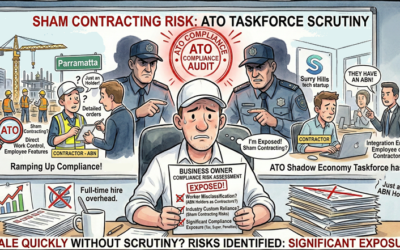
The ATO’s Shadow Economy Taskforce has ramped up compliance activity, with sham contracting remaining a key focus area. If you’ve been treating workers as contractors simply because “they have an ABN” or “that’s how the industry does it,” you could be exposed to significant compliance risk.
The Payday Super Countdown: Is Your Sydney Business Ready for July 1?
For years, employers have paid super quarterly. From 1 July 2026, that changes. Under the Government’s Payday Super reforms, employers must pay superannuation on payday, with contributions required to be received by the employee’s super fund within 7 business days of paying salary or wages.
Our memberships and accreditations