
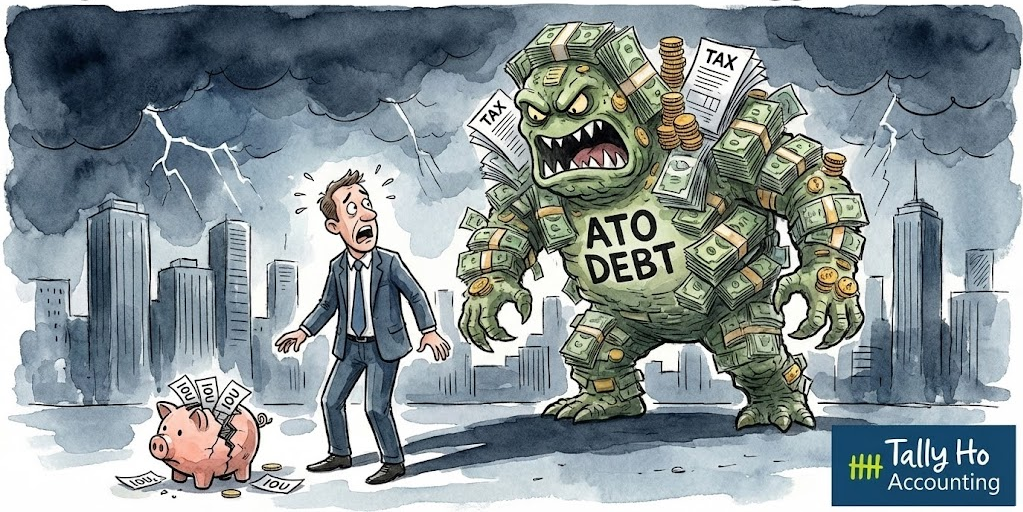
The Australian Taxation Office (ATO) has definitively shifted gears. The era of pandemic-related leniency is effectively over, and the tax office has moved into a much tougher phase of debt recovery.
If your business is carrying outstanding tax or superannuation liabilities, you need to understand that the ATO is now using stronger, faster and more expensive enforcement tools to collect what is owed. In simple terms, they are “cleaning house”, and the consequences of ignoring tax debt have escalated.
Here are three critical ways the ATO is tightening the screws on debt right now.
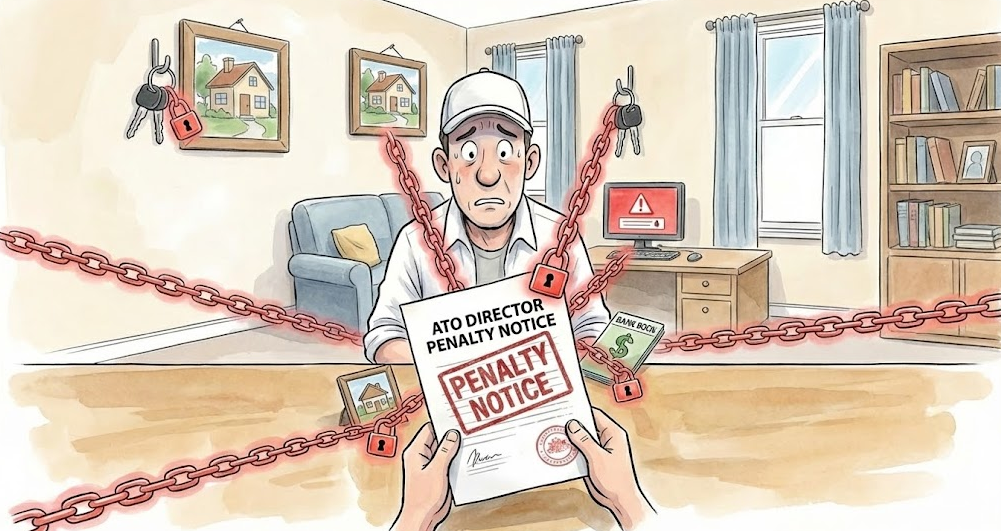
1. Piercing the corporate veil: Director Penalty Notices (DPNs)
For company directors, the most immediate and serious risk is a Director Penalty Notice (DPN).
The ATO is actively issuing DPNs for unpaid company liabilities where reporting and payment obligations have not been met, particularly for:
- Pay As You Go (PAYG) withholding
- Goods and Services Tax (GST)
- Superannuation Guarantee Charge (SGC)
A DPN is a powerful enforcement tool that can pierce the corporate veil, making directors personally liable for company tax debts. Once a DPN is issued, the debt is no longer just the company’s problem – it can put your personal assets at risk.
Strict timeframes apply to respond to a DPN. Failing to act promptly can permanently lock the debt against you personally.
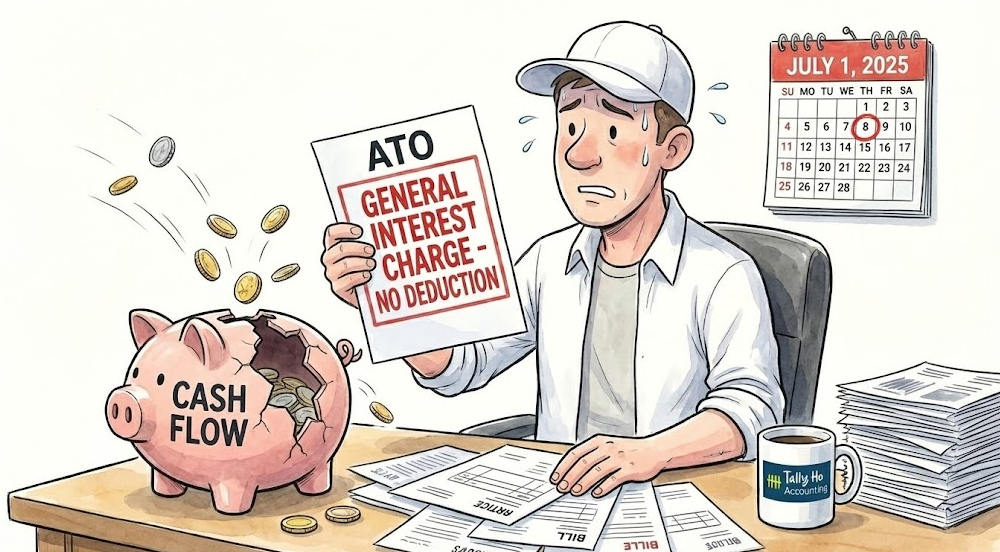
2. Making debt expensive: No more interest deductions
In a major change that will impact business cash flow, the government has moved to make holding tax debt significantly more expensive.
Effective from 1 July 2025, entities can generally no longer claim a tax deduction for General Interest Charge (GIC) or Shortfall Interest Charge (SIC) incurred on their tax debts.
Previously, while ATO interest rates were high, the ability to deduct that interest partially softened the financial impact. Under the new rules, businesses will bear the full cost of ATO interest with no corresponding tax deduction.
This change removes any argument that ATO debt is a “cheap” or manageable form of finance. Holding tax debt is about to become significantly more costly.
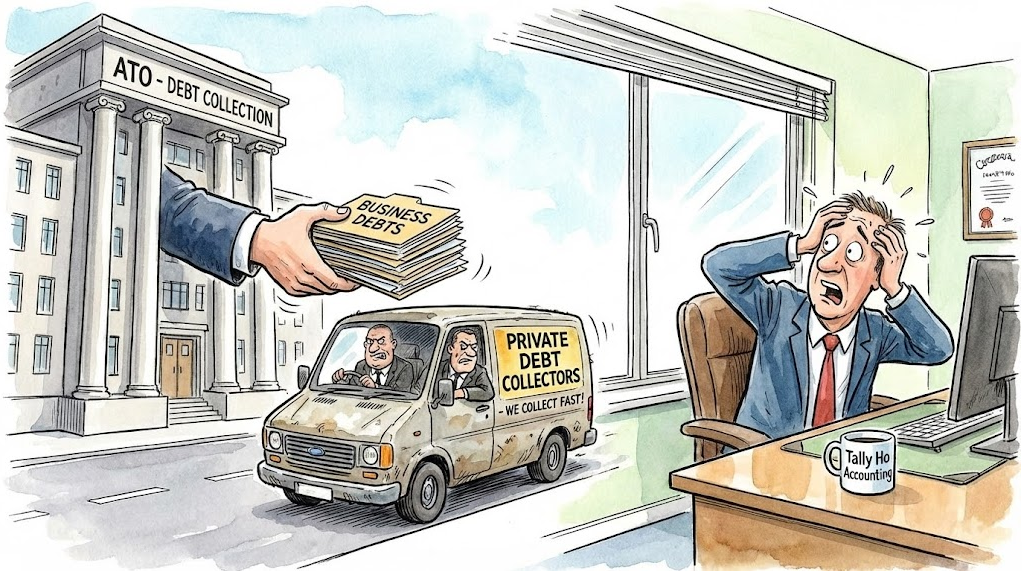
3. Expanding enforcement: Use of private debt collectors
The ATO is also broadening its enforcement reach by referring unpaid tax debts to external debt collection agencies.
This approach is being applied more broadly than in the past, including in some cases to individuals and businesses experiencing financial difficulty. You should not assume that a debt will be overlooked because it is relatively small or because of personal circumstances.
In many cases, the next contact regarding your tax debt may come not from the ATO directly, but from a private collection agency acting on its behalf.
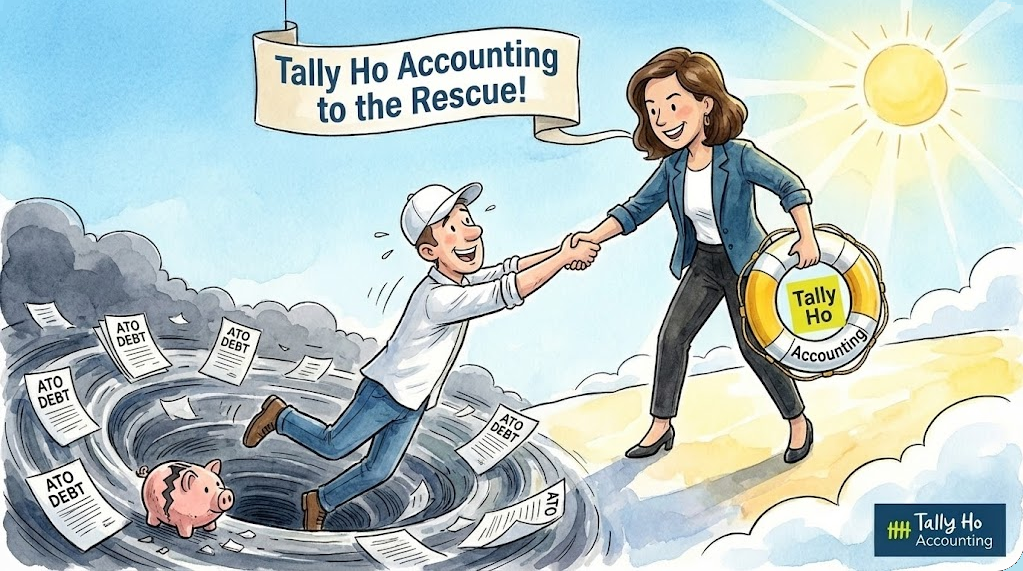
The Takeaway: Act early. Act decisively.
The message from the ATO is clear: they are prioritising the recovery of outstanding debts and have tougher tools at their disposal to do it.
Between the personal liability risks of DPNs, the increased cost of holding debt due to the removal of interest deductions, and the use of private collectors, the risks of ignoring tax liabilities have never been higher. If you are behind on your tax or superannuation obligations, the best time to act is before enforcement action begins. Early engagement can preserve options and significantly reduce long-term damage.
| Need help right now?
Contact Tally Ho Accounting today. Phone: 0451 637 848 Email: [email protected] |
Disclaimer: This blog is for general information purposes only and does not constitute legal or tax advice. DPNs are complex legal matters; please contact us for advice specific to your situation.